News
Hundreds Arrested as Senegal Intensifies LGBTQ+ Crackdown
Hundreds of LGBTQ+ people have reportedly been arrested in Senegal as tougher anti-LGBTQ+ laws drive queer people into hiding and threaten access to healthcare
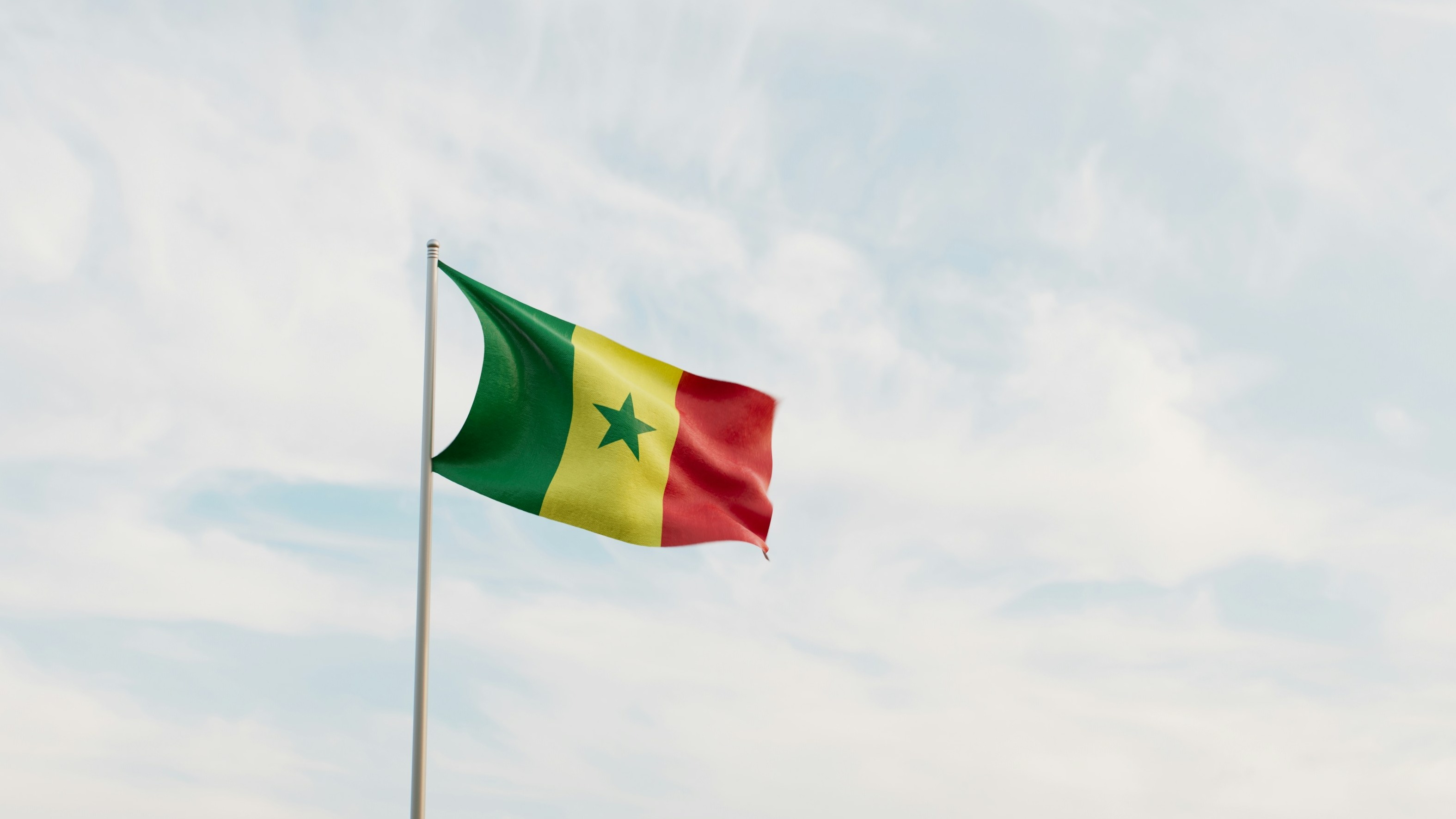
Photo: Planet Volumes/ UnsplashLicence: Unsplash License
LGBTQ+ People Are Going Into Hiding as Senegal Intensifies Its Crackdown
LGBTQ+ people in Senegal are going into hiding as the country intensifies one of the harshest crackdowns on queer communities in West Africa.
Hundreds of people have reportedly been arrested this year under laws criminalising same-sex relations.
Some have stopped leaving their homes.
Others have deleted social media accounts, abandoned their phones or moved to different parts of the country.
Some have left Senegal entirely.
And all of this is happening just days before the country hosts the first Olympic event ever held in Africa.
🇸🇳 Senegal made its anti-LGBTQ+ law even harsher
Same-sex relations have been criminalised in Senegal for decades.
But in March 2026, parliament made the law significantly tougher.
The maximum prison sentence for consensual same-sex relations was doubled to 10 years.
The changes also introduced penalties for the "promotion" or "glorification" of homosexuality and for supporting or financing LGBTQ+ people and organisations.
Those provisions are particularly worrying because they don't only affect LGBTQ+ people themselves.
They can also create fear among the organisations, activists, lawyers and other people trying to help them.
⚠️ Hundreds of people have reportedly been arrested
Human Rights Watch says the scale of arrests has grown dramatically since February.
There is no official government figure.
The Senegalese human rights organisation RADDHO documented at least 212 arrests between February and July.
HIV Justice Network reported more than 300 during the same period, while later reporting cited by The Guardian puts the number at at least 320.
Police have reportedly used information taken from seized phones, accusations from other people and raids on private homes to identify suspected LGBTQ+ people.
In some cases, people's names, photographs and private medical information later appeared in the media.
For anyone already afraid of being identified as LGBTQ+, it's not difficult to imagine what that does to everyday life.
🏳️🌈 People are disappearing from public life
The effect goes much further than arrests.
LGBTQ+ people interviewed by Human Rights Watch described restricting their movements, leaving online groups, deactivating social media and relocating because they were afraid of being detained or attacked.
One community worker described daily life as similar to being confined during the COVID pandemic.
Others said friends and partners had left Senegal for neighbouring countries.
This is what laws like this can do even to people who are never arrested.
Fear starts doing part of the work itself.
People stop meeting.
Organisations stop operating normally.
Someone thinks twice before sending a message.
Someone else decides not to go home.
Community becomes harder to find precisely when people need it most.
🩺 The crackdown is affecting healthcare too
There is another consequence that could reach far beyond the LGBTQ+ community.
Healthcare workers and human rights organisations warn that fear of arrest is discouraging people from accessing HIV testing and treatment.
Some detainees have reportedly been subjected to forced HIV testing.
People were also charged with intentional HIV transmission based on their HIV status, although those charges were later dismissed in one major case.
Senegal has spent decades building its response to HIV.
Now doctors and activists are warning that fear surrounding the crackdown could undo some of that progress.
If visiting a clinic feels like it might expose you to the authorities, avoiding healthcare can start to feel safer than seeking it.
That's dangerous for everyone.
⚖️ Even finding a lawyer can be difficult
The new law also criminalises broadly defined forms of support for LGBTQ+ people and organisations.
Human Rights Watch says that has contributed to fear among legal professionals.
Some lawyers are reportedly reluctant to represent people accused under the anti-LGBTQ+ law because they worry that providing support could put them at risk too.
That leaves people facing serious criminal charges while struggling to access legal representation.
And some have remained in pretrial detention for months.
🏅 And now Senegal is hosting the Youth Olympic Games
The timing makes the situation particularly difficult to ignore.
From October 31 to November 13, Dakar will host the 2026 Youth Olympic Games.
It will be the first Olympic event ever held on the African continent.
The Olympic Charter prohibits discrimination and commits the Olympic movement to respecting human dignity.
At the same time, LGBTQ+ people in the host country are hiding because they fear arrest.
Human Rights Watch has directly questioned how the crackdown can be reconciled with those commitments.
That is a question the international sporting community should probably be asking too.
🌍 This isn't only about Senegal
Senegal is part of a wider and worrying pattern.
More than 30 African countries still criminalise same-sex relations, and several governments have introduced or proposed tougher anti-LGBTQ+ legislation in recent years.
But it's important not to reduce Africa to a single story either.
LGBTQ+ communities exist across the continent.
So do activists, organisations, lawyers, healthcare workers and ordinary people trying to create safer lives for themselves and others.
They're often doing that work under circumstances most of us never have to think about.
💜 Community becomes even more important when finding it is dangerous
At SAFO, we talk a lot about making queer community easier to find.
Usually that means finding an event, an organisation, a welcoming place or simply other people nearby.
But there are countries where being found can carry a very different risk.
That's worth remembering when we talk about building a global LGBTQ+ community.
The ability to meet openly, organise, access healthcare or simply tell someone who you are isn't equally protected everywhere.
For LGBTQ+ people in Senegal right now, those aren't abstract political questions.
They're part of everyday life.
Sources
Review the original reporting and documents.