News
LGBTQ+ activists march at COP31 despite Turkey crackdown
LGBTQ+ activists joined the COP31 climate march in Turkey, protected by international supporters amid growing pressure on queer organisations.
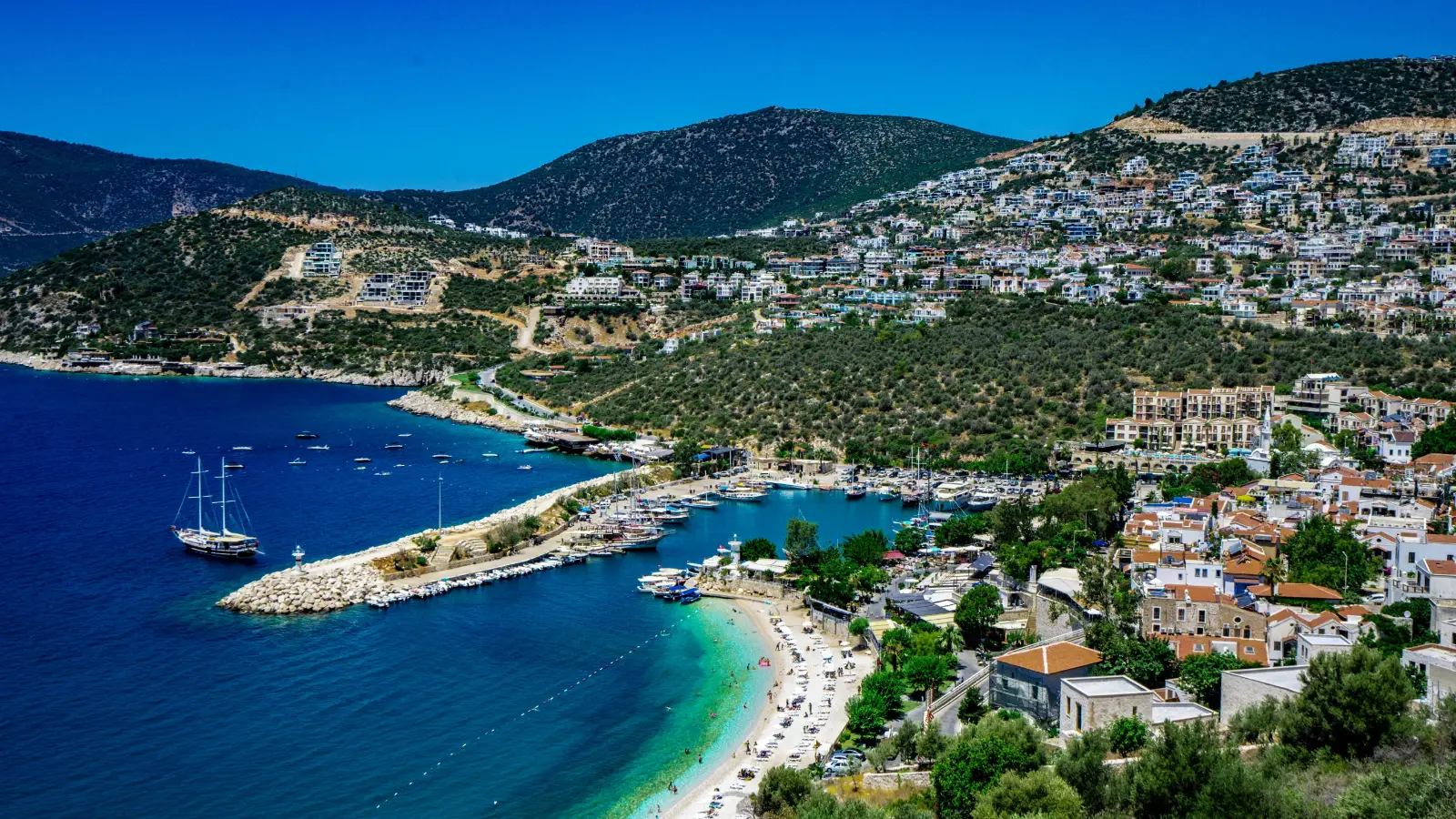
Photo: Hayrullah Gozcu / UnsplashLicence: Unsplash License
LGBTQ+ activists march at COP31 in Turkey despite growing crackdown
On November 14, thousands of people gathered in Antalya, Turkey, to demand stronger action on climate change.
Among them were LGBTQ+ activists carrying rainbow flags.
In many cities, that might seem like an ordinary part of a public demonstration. In Turkey, where LGBTQ+ organisations have faced increasing pressure from the authorities, it required careful planning and protection.
Before the flags were raised, international civil society groups and journalists formed a protective cordon around the queer protesters.
For a brief moment, they could make themselves visible to the world.
And the fact that they needed protection to do so says a great deal about the situation facing LGBTQ+ people in Turkey.
🏳️🌈 A rainbow flag surrounded by solidarity
The march took place during COP31, the United Nations climate conference being held in Antalya from November 9 to 20.
Thousands of demonstrators joined the protest, including environmental organisations, trade unions, human rights groups and local activists.
They called for stronger climate commitments, an end to dependence on fossil fuels and greater attention to communities affected by environmental damage.
But the march also became an opportunity for LGBTQ+ people to make their voices heard.
According to reporting by The Guardian, organisers had arranged for international activists and media representatives to surround the LGBTQ+ participants before they displayed their flags.
The precaution was deliberate.
Police had established a heavy security presence around the demonstration. Participants were searched, bags were inspected and the route was surrounded by barriers.
For queer activists who have experienced restrictions on public assembly, the presence of international observers offered an unusual degree of protection.
One young Turkish activist described feeling that carrying a rainbow flag was dangerous, but that the attention of international media made the moment possible.
Another spoke about a transgender friend who was currently detained and unable to join the demonstration.
These were people who wanted to take part in a peaceful public march.
Yet their ability to do so depended partly on whether the rest of the world was watching.
⚖️ The pressure facing LGBTQ+ organisations in Turkey
The demonstration comes after a particularly difficult period for LGBTQ+ civil society in Turkey.
In September 2026, authorities launched operations targeting LGBTQ+ organisations, activists and businesses across several provinces.
According to Amnesty International, the operations resulted in more than 100 arrests, with dozens of people placed in pretrial detention.
Human rights organisations have criticised the scale of the operations and warned about their consequences for freedom of association, expression and peaceful assembly.
Turkish authorities have presented their actions as investigations into alleged criminal activity and the protection of children and families.
Rights groups, however, have raised concerns about the targeting of LGBTQ+ organisations and the wider impact on people who rely on them for support.
The pressure extends beyond the recent operations.
Istanbul Pride has faced repeated bans for years, and activists have been detained while attempting to participate in peaceful demonstrations.
For many LGBTQ+ people, the question is no longer simply whether they can attend a Pride march.
It's whether they can organise, meet openly or publicly defend their rights without fearing consequences.
🌍 Why COP31 made this moment different
COP31 has brought government representatives, journalists, environmental organisations and civil society groups from around the world to Turkey.
That international attention created an opportunity for local activists.
The march allowed Turkish LGBTQ+ protesters to stand alongside people advocating for climate justice, women's rights, labour rights and other social causes.
Their presence also raised a question about the responsibilities of countries hosting major international conferences.
A global summit depends on the participation of civil society. Environmental organisations, community groups and human rights defenders are part of the conversation about the future of the planet.
But what happens when some of those same groups face restrictions in the host country?
Ahead of COP31, Amnesty International and other organisations called for guarantees that participants could express themselves and assemble peacefully.
The November 14 march showed how international solidarity can help create space for voices that might otherwise struggle to be heard.
It also showed how fragile that space can be.
💜 Community means showing up for each other
One of the most striking details of the demonstration wasn't the number of people marching or the size of the banners.
It was the protective circle formed around the LGBTQ+ activists.
People from different countries and organisations stood together so that others could raise their flags.
They couldn't remove the risks facing those activists once the march ended.
But they could make sure they weren't standing alone in that moment.
That's an important part of what community means.
For LGBTQ+ people, community isn't always about large festivals, parties or Pride celebrations.
Sometimes it's a local organisation offering support.
Sometimes it's a friend accompanying someone to an event.
Sometimes it's knowing which spaces are welcoming and which situations require caution.
And sometimes it's people standing beside you when being visible feels dangerous.
At SAFO, we believe that finding community should be easier, wherever you live or travel.
That means helping people discover LGBTQ+ organisations, events, places and opportunities to connect, while recognising that safety and visibility mean different things in different countries.
Technology cannot replace the work of local activists, and no platform can guarantee someone's safety.
But making trusted community resources easier to find can help people feel less isolated and better informed.
❤️ The march is over. The need for solidarity isn't.
The climate demonstration in Antalya took place on November 14, but COP31 continues until November 20.
For the LGBTQ+ activists who participated, the challenges they face will not disappear when international delegates and journalists leave Turkey.
The legal and political environment remains difficult, and local organisations continue to advocate for their communities.
The march was a moment of visibility rather than a resolution to those problems.
Still, it mattered.
It showed that LGBTQ+ voices belong in conversations about climate justice, human rights and the future of society.
And it showed what can happen when people use their own visibility to protect someone else's.
For a few hours in Antalya, rainbow flags were raised because people stood together.
The hope is that one day, doing so won't require a protective circle.
Sources
Review the original reporting and documents.