News
76% of LGBTQ+ Community Centers Report Threats or Harassment
For a lot of LGBTQ+ people, a community center is much more than a building with a rainbow flag outside.
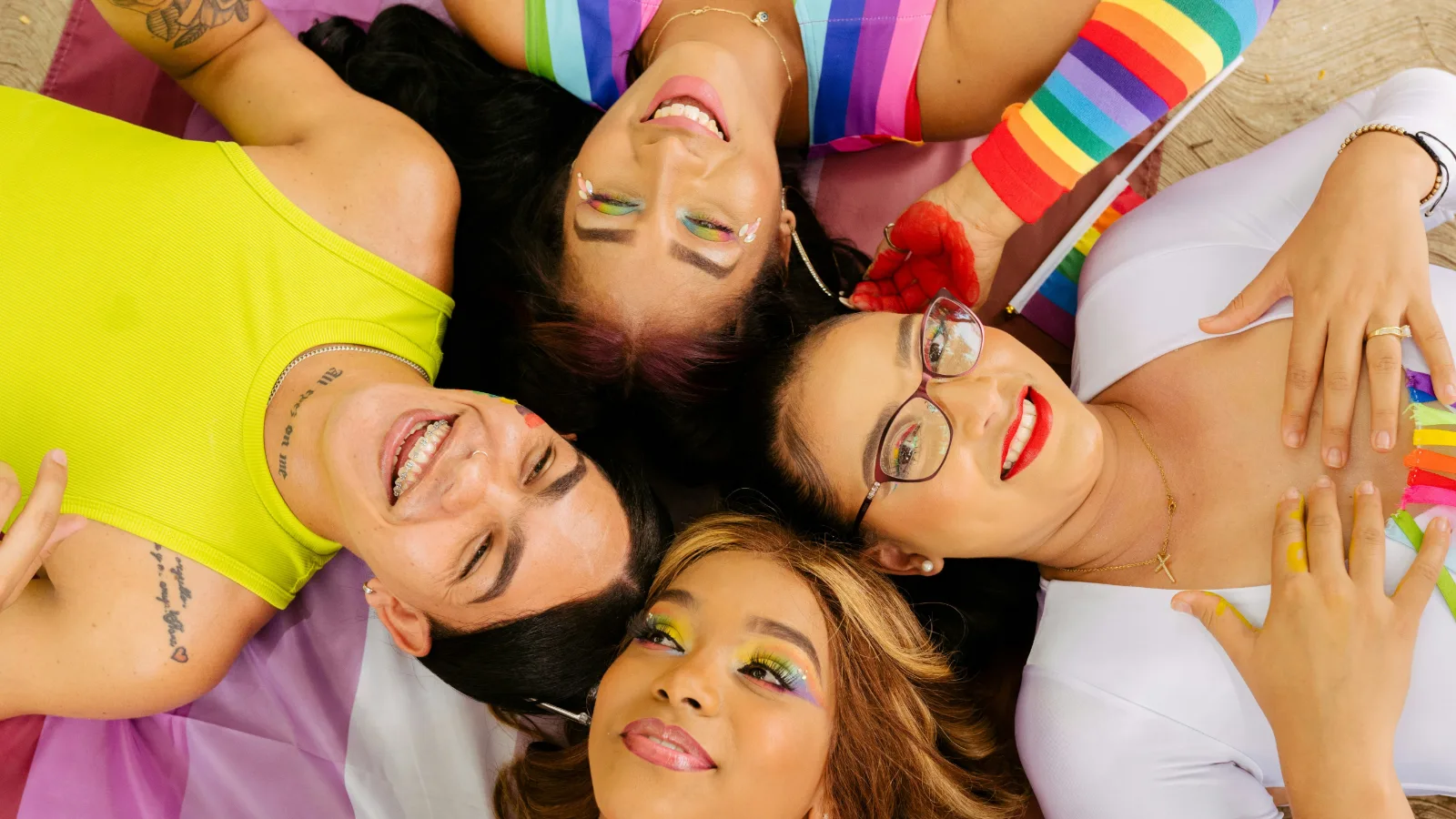
Photo: Andy Quezada/ Unsplash+Licence: Unsplash
For a lot of LGBTQ+ people, a community center is much more than a building with a rainbow flag outside.
It can be where you meet other queer people for the first time. Where you find a support group, get help, join an event, access healthcare or simply spend time somewhere you know you're welcome.
A new report shows just how important these places still are in the United States, but also how much pressure many of them are facing.
The 2026 LGBTQ Community Center Survey Report from the Movement Advancement Project and CenterLink surveyed 175 LGBTQ+ community centers across the country.
One number stands out immediately.
76% said they had experienced anti-LGBTQ+ threats or harassment, online, offline or both.
🏳️🌈 1.5 million people use these centers every year
It's easy to think of community centers mainly as social spaces.
The reality is much bigger.
The centers included in the report collectively serve more than 29,000 people every week. That's around 1.5 million people a year.
And they're doing a lot more than organising meetups.
66% directly provide physical health, mental health or anti-violence services.
In 2025 alone, 86 of the centers provided health services to more than 92,600 people.
Almost half offer public computer access or related services.
Others provide youth programmes, cultural activities, advocacy, community events and practical support.
For some LGBTQ+ people, especially in places without much visible queer infrastructure, the local center might be one of very few physical spaces where they can actually find their community.
⚠️ 76% have faced threats or harassment
The part of the report that's difficult to ignore is safety.
More than three quarters of responding centers said they had experienced anti-LGBTQ+ threats or harassment.
Some experienced it online. Others dealt with it offline. Some experienced both.
The report also notes that centers connected some of the harassment with anti-LGBTQ+ rhetoric and with programmes involving transgender people or young people.
And this isn't appearing out of nowhere.
The previous survey, released in 2024, found that 73% of responding centers had experienced anti-LGBTQ+ threats or harassment during the previous two years.
Now it's 76%.
That might look like a small difference on paper, but when we're talking about places people go specifically because they're supposed to feel safe and supported, even 73% was already a pretty horrible number.
💜 These places are still needed
There's another number in the report that I think matters here.
83% of the centers surveyed have a dedicated physical space.
That matters because so much of queer life has moved online.
We can find each other through Instagram, TikTok, dating apps, Discord, Facebook groups and dozens of other platforms.
That's useful, obviously.
But having an online community and having somewhere you can physically walk into are two different things.
A teenager looking for support can't always get what they need from an Instagram account.
Someone who has just moved to a new city might want an actual place to meet people.
Someone experiencing violence or struggling with their mental health may need real support, not another group chat.
Sometimes we just need somewhere to go.
🌈 Community is more than Pride once a year
We talk a lot about LGBTQ+ visibility.
Pride is visible. Rainbow campaigns are visible. Queer celebrities and characters on television are visible.
But community is often much less glamorous.
It's volunteers setting up chairs before a meeting.
It's someone answering the phone.
It's a weekly support group with eight people in it.
It's a noticeboard covered in local events.
It's a person walking through the door for the first time because they don't know where else to go.
Around 17,500 people volunteered at the centers included in the survey in 2025, contributing more than 409,000 hours.
That's the part of LGBTQ+ community infrastructure we probably don't talk about enough.
💰 Safety also costs money
Responding to threats isn't free.
Community centers may need better security, staff training, cameras, changes to buildings or additional procedures to protect visitors and employees.
At the same time, the report found that many centers are already dealing with limited staff and limited finances.
Almost half are thinly staffed.
That creates a pretty obvious problem.
The organisations being asked to provide more support and protect their communities are often doing it without unlimited people or money.
🫶 Why this matters beyond the United States
This particular survey is about the United States, but the bigger question isn't uniquely American.
Where do LGBTQ+ people actually find community?
Not just online.
Not just on dating apps.
And not just during Pride.
Every city needs its own answer.
Sometimes that's a large LGBTQ+ community center.
Sometimes it's a lesbian bar, queer sports club, bookshop, cultural organisation, support group or monthly meetup.
Sometimes it's five people who realised nothing existed locally and decided to start something themselves.
The format can be completely different.
The important part is that people can find it.
💗 Finding community shouldn't be the difficult part
At SAFO, we spend a lot of time looking for LGBTQ+ organisations, events, groups and places around the world.
One thing becomes obvious very quickly.
The community is there.
The difficult part is often finding it.
That's one of the reasons SAFO exists.
We want it to be easier to discover the community center, event, queer-friendly place, organisation or group that already exists somewhere near you.
Because sometimes finding the right place can mean finding your people too.
Sources
Review the original reporting and documents.