travel
Andorra LGBTQ+ Travel Guide: Navigating the Pyrenean Haven
Discover Andorra, a small but increasingly progressive Pyrenean nation. This guide covers legal protections, social climate, safe areas, and essential tips for LGBTQ+ travelers, ensuring a welcoming and informed experience.
About
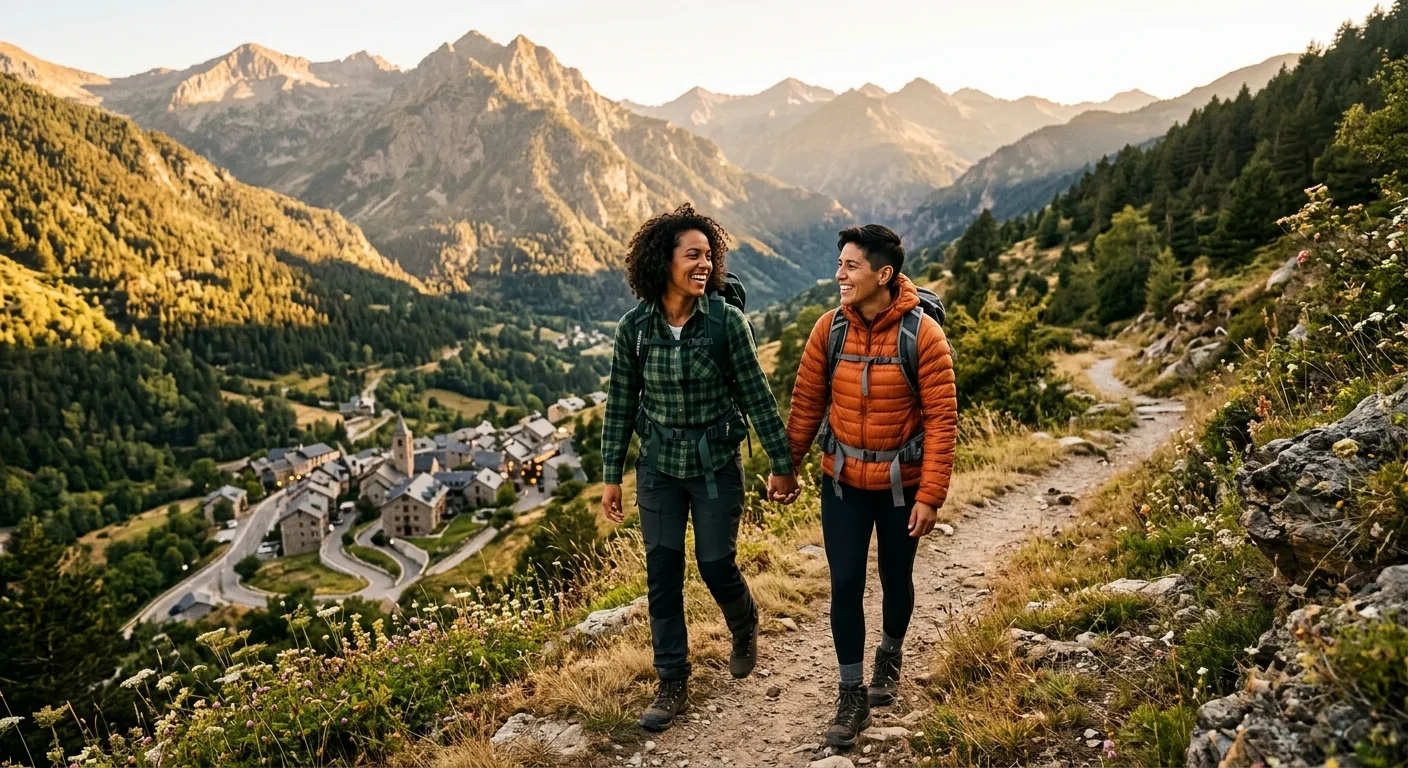
Andorra, a tiny yet captivating principality nestled high in the Pyrenees mountains between France and Spain, offers a unique blend of stunning natural beauty, duty-free shopping, and a growing commitment to human rights. For LGBTQ+ travelers, understanding the local landscape—both legal and social—is key to a comfortable and enriching experience. While not a bustling metropolis with a large, overt LGBTQ+ scene, Andorra has quietly progressed in its legal protections, making it an increasingly welcoming destination. This guide aims to provide comprehensive, community-first information to help you navigate Andorra with confidence and peace of mind.
Legal Status and Protections for LGBTQ+ Individuals
Andorra has demonstrated a clear commitment to advancing LGBTQ+ rights, particularly in recent years. This progress reflects a broader European trend towards equality and inclusion, even within smaller, traditionally conservative nations.
Marriage and Civil Unions
One of the most significant milestones in Andorra's LGBTQ+ legal journey was the legalization of same-sex marriage, which came into effect in 2022. This landmark decision granted same-sex couples the same rights and responsibilities as heterosexual couples, including the right to marry and form a family. Prior to this, Andorra had recognized civil unions for same-sex couples since 2005, offering many of the same legal protections but not the full status of marriage. The transition from civil unions to full marriage equality signifies a robust commitment to equal rights for all couples.
Anti-Discrimination Laws
Andorra has comprehensive anti-discrimination laws that explicitly protect individuals based on sexual orientation and gender identity. These protections extend across various sectors, including employment, housing, access to goods and services, and public accommodations. This means that it is illegal to discriminate against someone because they are LGBTQ+ in these areas. For travelers, this provides an important layer of security, knowing that legal recourse is available should they face unfair treatment. While the existence of a law doesn't eliminate all instances of discrimination, it provides a strong legal framework for justice and equality.
Gender Recognition
Regarding gender recognition, Andorra has also made strides. The legal framework allows for gender self-determination, meaning individuals can legally change their gender identity without requiring surgical intervention or medical gatekeeping. This progressive approach aligns Andorra with some of the most advanced countries in Europe regarding transgender rights, affirming an individual's right to live authentically and have their identity legally recognized. This is a crucial aspect of dignity and respect for transgender and gender non-conforming individuals.
Adoption Rights
With the legalization of same-sex marriage, same-sex couples also gained the right to adopt children. This ensures that LGBTQ+ families have equal opportunities to build and grow their families, reflecting a modern understanding of family structures and the best interests of children. This legal provision is a testament to Andorra's commitment to full equality in family life.
Military Service
Andorra does not have a standing army in the traditional sense, relying on a small volunteer force and agreements with France and Spain for defense. Therefore, issues related to LGBTQ+ individuals in military service are not as prominent as in countries with larger armed forces. However, the general anti-discrimination laws would apply to any public service roles.
Social Climate and Cultural Nuances
Andorra's social climate for LGBTQ+ individuals is generally considered welcoming, particularly in its more urbanized and tourist-focused areas. However, like many small, traditionally Catholic countries, a degree of discretion may be preferred in certain social contexts.
General Attitudes
The Andorran society is largely influenced by its strong tourism industry, which fosters an open and international outlook. In places like Andorra la Vella and the major ski resorts, visitors from diverse backgrounds are common, and attitudes tend to be more liberal and accepting. Public displays of affection between same-sex couples are generally not met with hostility, though they might draw more attention in less populated or more traditional villages. The younger generation, in particular, tends to be more progressive and accepting of LGBTQ+ identities.
Influence of Catholicism
While Andorra is a secular state, Catholicism remains a significant cultural force, with many Andorrans identifying as Catholic. Historically, this has contributed to more conservative social views. However, the country's legal advancements demonstrate a clear separation between religious doctrine and state law. While some individuals may hold personal conservative views, these are generally not translated into public discrimination, thanks to the robust legal protections in place. Travelers should be mindful of local customs and traditions, particularly when visiting religious sites or engaging with older generations, but should not anticipate overt hostility.
Small Community Dynamics
As a small country with a close-knit community, personal relationships and reputation can play a significant role. This can be a double-edged sword: on one hand, it can foster a strong sense of community and support; on the other, it might lead some individuals to prefer more discretion in their personal lives, especially if they are residents. For travelers, this generally means that while you might not find a large, visible LGBTQ+ community infrastructure, you are likely to encounter respectful and friendly locals.
Language and Communication
The official language of Andorra is Catalan, though Spanish and French are also widely spoken due to its geographical location. English is commonly understood in tourist areas. Being able to communicate, even with basic phrases, in Catalan, Spanish, or French can enhance your interactions and demonstrate respect for local culture. This can contribute to a more positive overall experience.
Safe Areas and Travel Tips
Andorra is generally a very safe country with low crime rates. For LGBTQ+ travelers, safety concerns are minimal, but being informed and prepared always enhances the travel experience.
Key Areas
Andorra la Vella: As the capital and largest city, Andorra la Vella is the most cosmopolitan area. It's where you'll find the widest range of shops, restaurants, hotels, and nightlife. It's also the most likely place to encounter a diverse population and generally more liberal attitudes. Public spaces, shopping centers, and dining establishments are all considered safe and welcoming.
Escaldes-Engordany: Adjacent to Andorra la Vella, this parish is known for its thermal spas (like Caldea) and commercial activity. It shares a similar open and tourist-friendly atmosphere with the capital.
Ski Resorts (e.g., Grandvalira, Vallnord): During the winter months, these resorts attract an international crowd, creating a very open and accepting environment. The focus is on recreation and enjoyment, and visitors from all walks of life are common.
Rural Areas: While beautiful and serene, the smaller villages and more remote areas might be more traditional. While still safe, public displays of affection might be less common or might draw more attention than in the capital. Respectful behavior and discretion are always good practice in any rural setting, regardless of sexual orientation.
Accommodation
Most hotels and guesthouses in Andorra are welcoming to all guests. When booking, consider checking reviews from other LGBTQ+ travelers if available, or opt for larger, internationally branded hotels which often have explicit non-discrimination policies. Online travel agencies typically list properties that are inclusive.
Nightlife and Socializing
Andorra does not have dedicated LGBTQ+ bars or clubs. However, many mainstream bars and clubs in Andorra la Vella and Escaldes-Engordany are generally welcoming and inclusive. Look for establishments that cater to a diverse clientele. The nightlife scene is more focused on general entertainment rather than specific community spaces. Online apps and social media groups might be the best way to connect with other LGBTQ+ individuals if you're looking for community during your stay.
Public Transport and Getting Around
Public transport in Andorra is efficient and safe. Buses connect the major towns and ski resorts. Taxis are also readily available. There are no specific safety concerns for LGBTQ+ individuals using public transport. Renting a car is also a popular option for exploring the country at your own pace.
General Safety Tips
Be Aware of Your Surroundings: As with any travel, maintain situational awareness, especially in crowded tourist areas or late at night.
Keep Valuables Secure: Petty crime is low but can occur. Use hotel safes and be mindful of your belongings.
Emergency Contacts: Always have local emergency numbers readily accessible.
Respect Local Customs: While Andorra is progressive, showing respect for local traditions and norms, especially in more conservative settings, is always appreciated.
Community Organizations and Support
Due to Andorra's small size and population, dedicated, large-scale LGBTQ+ community organizations are not as prevalent as in larger countries. However, this does not mean a lack of support or community.
Local Initiatives
While a prominent, standalone LGBTQ+ center might not exist, there are often smaller, informal groups or initiatives that work to support the community. These may operate through social media, local cultural associations, or human rights advocacy groups. Information about such groups might be best found through online searches or by connecting with locals once you arrive.
Broader Human Rights Organizations
International human rights organizations often have a presence or partners in smaller nations, advocating for LGBTQ+ rights. While not specific to Andorra, these organizations can provide resources, information, and support. For example, organizations like ILGA-Europe monitor the legal and social situation for LGBTQ+ people across the continent and can be a valuable source of information.
Online Communities
For travelers looking to connect with other LGBTQ+ individuals in Andorra, online platforms and apps are often the most effective tools. Dating and social networking apps can help you meet locals or other travelers. Additionally, Facebook groups or forums dedicated to LGBTQ+ travel in Europe might have members who can offer insights or connections within Andorra.
Mental Health and Well-being
Access to mental health services in Andorra is part of its general healthcare system. If you require support during your stay, your accommodation provider or the local health services can guide you. For LGBTQ+-specific mental health resources, you may need to look to online international organizations that offer remote support or information.
Emergency Information
Knowing how to access emergency services is crucial for any traveler. Andorra has a reliable emergency response system.
General Emergency Numbers
112: This is the universal European emergency number for police, ambulance, and fire services. It works throughout Andorra and is the primary number to call in any emergency situation.
Police (Policia d'Andorra): For non-urgent police matters or to report a crime that is not an immediate emergency, you can typically find local police station numbers online or ask your hotel for assistance. In an emergency, always use 112.
Medical Emergencies: For an ambulance or urgent medical assistance, dial 112. Andorra has a modern healthcare system, and medical facilities are well-equipped.
Reporting Discrimination or Hate Crimes
If you experience discrimination or a hate crime based on your sexual orientation or gender identity, it is important to report it to the police. As Andorra has strong anti-discrimination laws, authorities are obligated to investigate such incidents. When reporting:
Contact 112: For immediate safety concerns or to report a crime in progress.
Go to a Police Station: For non-urgent reports, visit the nearest police station. It's advisable to bring someone who speaks Catalan, Spanish, or French if you are not fluent.
Document Everything: Note down details like date, time, location, description of individuals involved, and any witnesses. If possible, gather evidence like photos or videos.
Seek Consular Assistance: If you are a foreign national, contact your country's embassy or consulate (likely located in Spain or France) for assistance and guidance.
Consular Services
Andorra does not host many direct embassies or consulates due to its size. Most countries maintain their diplomatic relations with Andorra through their embassies in Spain or France. If you require consular assistance (e.g., lost passport, legal advice), you will likely need to contact your country's embassy in Madrid or Paris. It's wise to know the contact details of your nearest embassy before you travel.
Conclusion
Andorra, with its breathtaking landscapes and increasingly progressive legal framework, offers a safe and welcoming destination for LGBTQ+ travelers. While it may not boast a vibrant, visible LGBTQ+ scene, its commitment to equality, robust anti-discrimination laws, and generally tolerant social climate make it a place where you can feel secure and respected. By understanding its legal protections, appreciating its cultural nuances, and utilizing general travel safety tips, you can enjoy all that this unique Pyrenean gem has to offer. Embrace the adventure, connect with the local charm, and experience the beauty of Andorra with confidence.